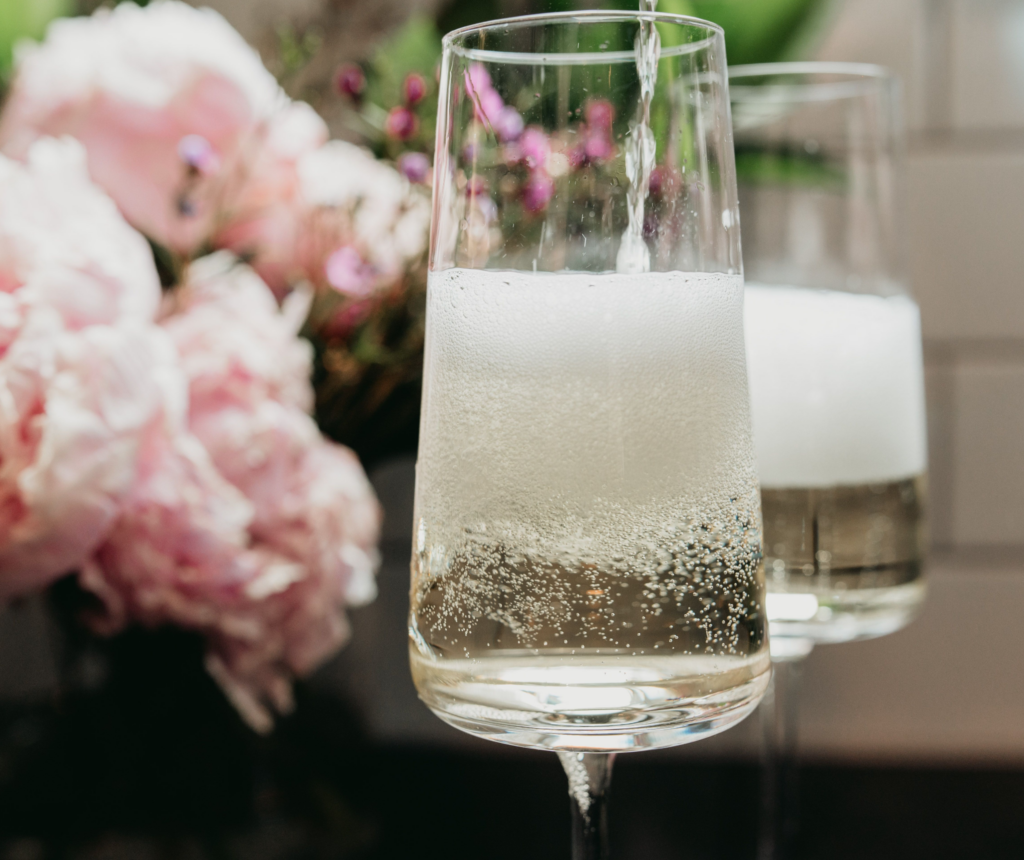
A complete, no-nonsense guide to sparkling wine — Champagne, Prosecco, Cava, Franciacorta, and more — decoded for people who just want to drink the good stuff and actually enjoy the ride.
Let’s settle something right now: not all bubbles are Champagne, and that’s not a hierarchy — it’s a family. That’s like calling every pasta shape “spaghetti.” Sparkling wine is its own universe — and once you know your way around it, you’ll never again nod politely at a wine list while internally panicking.
Why Sparkling Wine Isn’t Just “Fancy Wine With Bubbles”
The bubbles aren’t decoration — they’re the entire point and they come from a real, deliberate process. Wine gets its fizz one of two ways:
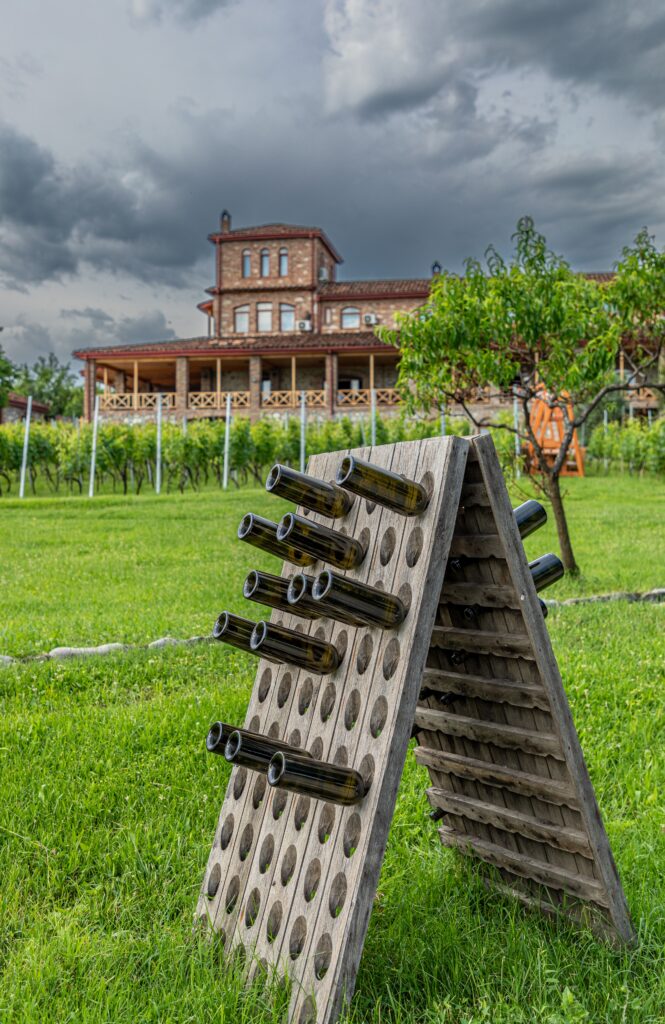
- Traditional Method (méthode traditionnelle): A second fermentation happens inside the bottle, trapping CO2 naturally. Slow, expensive, meticulous. This is Champagne’s method — and Franciacorta’s, and Cava’s.
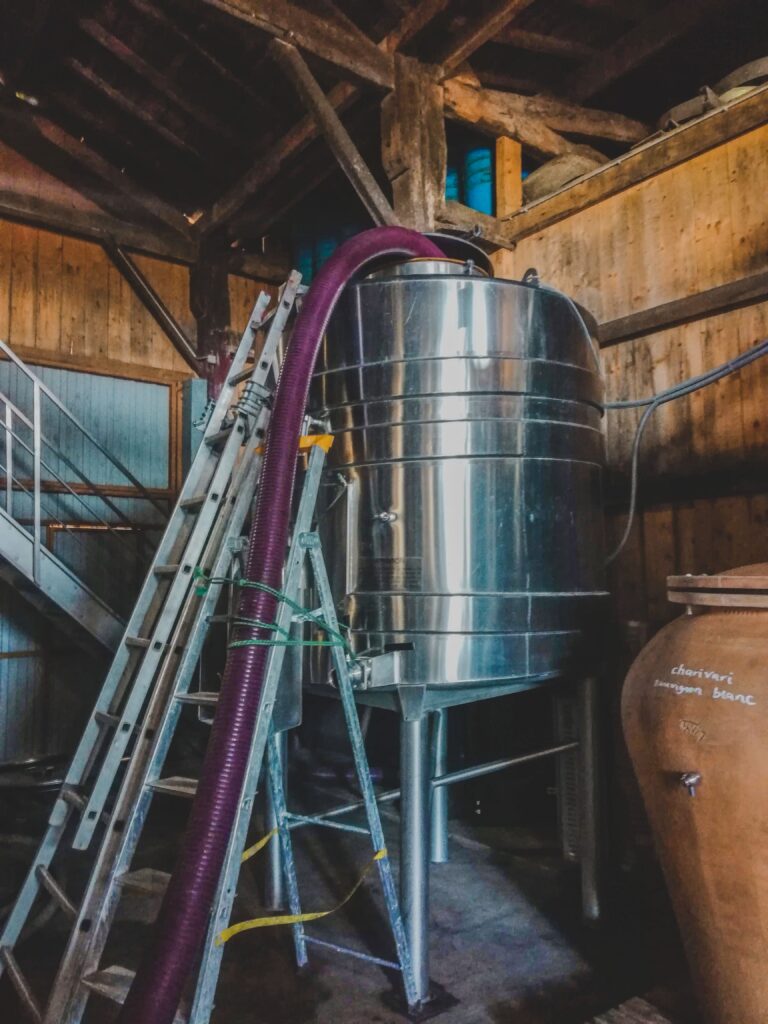
- Tank Method (Charmat method): The second fermentation happens in a large pressurized tank, then the wine is bottled already fizzy. Faster, fresher, more affordable. This is Prosecco’s method.
Neither is “better” — they’re built for different personalities of wine. The traditional method gives you toasty, complex, bready notes. The tank method gives you bright, fruity, drink-me-now energy. Know which mood you’re in before you buy.
The Sparkling Wine Family Tree (Bookmark This Part)
🇫🇷 Champagne
Only sparkling wine from the Champagne region of France, made from Chardonnay, Pinot Noir, and/or Pinot Meunier, using the traditional method. Everything else calling itself “Champagne” is either lying or being sued
Tastes like: toast, brioche, green apple. Drink it when: you want to mark an occasion, or make a Tuesday feel like one.
🇮🇹 Prosecco
From Veneto, Italy, made mostly from the Glera grape using the tank method. Lighter, fruitier — the wine equivalent of showing up to brunch already in a good mood.
Tastes like: pear, green apple, honeysuckle. Drink it when: brunch, spritzes, “it’s Friday” energy.
🇮🇹 Franciacorta
Italy’s answer to Champagne — same traditional method, made in Lombardy. Criminally underrated and worth seeking out on its own merits, not as a stand-in for something else.
Tastes like: citrus, almond, a creamy finish. Drink it when: you want to impress someone who thinks they’ve “tried everything.”
🇪🇸 Cava
From Spain, the traditional method, usually Macabeo, Xarel-lo, and Parellada grapes. Excellent value, food-friendly, and consistently overlooked.
Tastes like: citrus, apple, a slight earthy edge. Drink it when: you want traditional-method quality on a tank-method budget.
🇫🇷 Crémant
France’s traditional-method sparkling wine made outside Champagne (Crémant de Loire, Crémant d’Alsace, etc.). Same painstaking process, its own regional identity.
Tastes like: depends on the region — generally crisp, elegant, and a little more fruit-forward than Champagne. Drink it when: you want traditional-method depth with a different regional voice.
🇮🇹 Lambrusco
Yes, it’s sparkling. Yes, it’s usually red. Yes, it’s genuinely delicious and not the sickly-sweet stuff your memory is blaming it for. From Emilia-Romagna, best served slightly chilled with something rich and fatty (think margherita pizza, cheese).
Tastes like: dark berries, a pleasant tart snap. Drink it when: pairing with charcuterie or pizza, honestly.
How to Read a Sparkling Wine Label Without Googling Mid-Store
A few terms that’ll instantly make you look like you know what you’re doing:
- Brut Nature / Brut Zero: Bone dry, no added sugar. For purists.
- Extra Brut: Very dry.
- Brut: Dry — the most common style, and a safe default.
- Extra Dry: Confusing, slightly sweeter than Brut. (Yes, wine labeling loves to gaslight you.)
- Demi-Sec: Noticeably sweet — great with dessert.
- Vintage: Made entirely from grapes of a single exceptional year. Non-vintage (NV) blends multiple years for consistency, and it’s not a downgrade — most Champagne houses build their whole identity around their NV blend.
Pairing Sparkling Wine Like You Mean It (Vegetarians friendly)
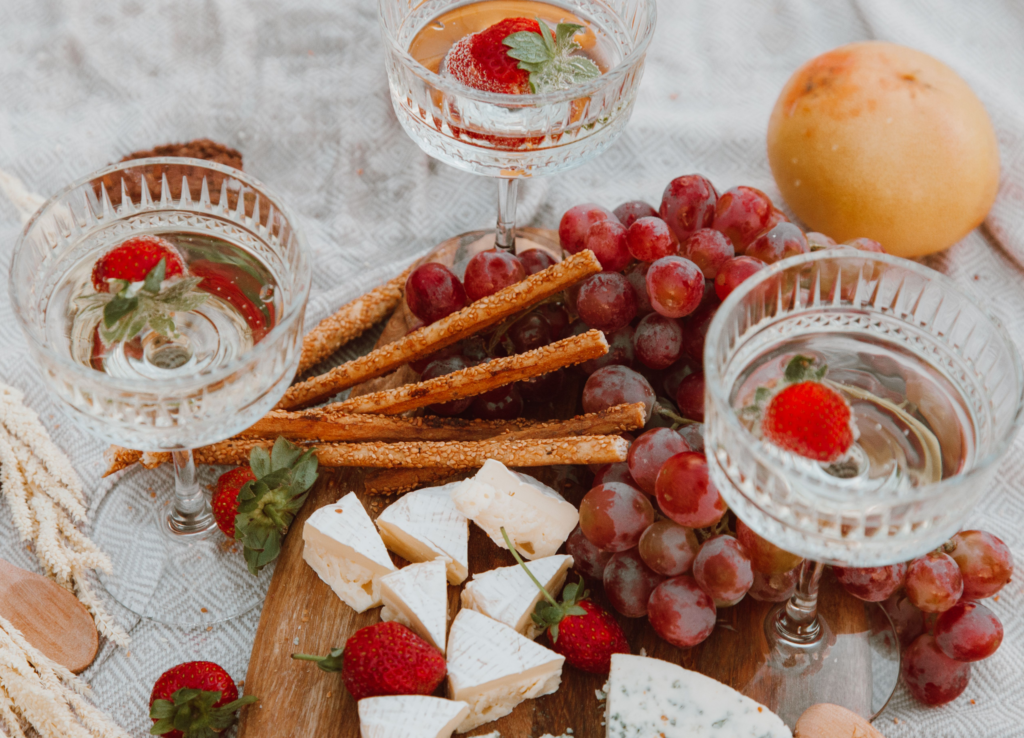
Bubbles are secretly one of the most food-friendly wines that exist — the acidity and carbonation cut through richness and reset your palate between bites.
- Prosecco + fried food: the classic. Think pakoras, fries, tempura vegetables.
- Champagne or Franciacorta + salty, umami food: popcorn, aged cheese, marinated olives.
- Cava + tapas: patatas bravas, grilled peppers, garlicky mushrooms — it was basically built for this.
- Lambrusco + rich, fatty food: think cheese boards or a good margherita pizza — trust the process.
- Demi-Sec + dessert: don’t pair sweet wine with sweeter dessert — go for something with a fruit or citrus base instead.
Quick Answers to What You’re Actually Wondering
Is Prosecco just a version of Champagne? No — different grapes, different region, different method entirely. It’s not a lesser version of Champagne; it’s its own category with its own strengths.
What’s the best sparkling wine for beginners? Start with a Prosecco or a Cava Brut — both are approachable and forgiving while you figure out what you like, and a great entry point before exploring the rest of the family.
Is one style of sparkling wine “better” than the others? No. Each style — Champagne, Prosecco, Cava, Franciacorta, Crémant, Lambrusco — is shaped by its own grapes, region, and method. They’re different experiences, not different tiers. Try them all and let your palate decide what it loves.
How long does an open bottle last? 1–3 days with a proper sparkling wine stopper in the fridge. A spoon in the neck is a myth — it does nothing.
Save This, Share This, Use This
Next time someone hands you a wine list with five kinds of bubbles on it, you’ll know exactly what you’re looking at — and exactly what mood you’re in to enjoy.

If this made sparkling wine feel less intimidating, save it for your next wine night — and tag the friend who needs it too.